Social Studies Final Exam: June 23, 10:00-11:15
Science Final Exam: June 24, 10:00-11:15
Math Final Exam: June 25, 10:00-11:30
STUDY HARD! GOOD LUCK EVERYONE!
TIPS: Eat a healthy breakfast, get a good nights rest, drink water all week (even your brain gets dehydrated) and review your work!
Monday, June 23, 2008

Wednesday, June 18, 2008
FINAL EXAMS BEGIN FRIDAY
LA PART B EXAM: FRIDAY, June 20
- Know literary techniques: metaphor, similies, etc.
- Review parts of speech: noun, verb, adjective etc
- Review types of sentences
- Review parts of a story
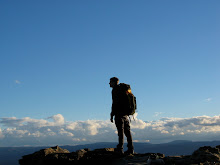
Thanks for all the great learning moments! If you tell me what mountain is in the poster below I will get you a treat!

Friday, June 13, 2008
CHAPTER 12-14 TEST, MONDAY, JUNE 16th
STUDY TIPS:
- Re-read the textbook chapters; create study notes on important topics
- Read over your work from the chapters
- test yourself or a study buddy, on the questions in your work
- Eat a healthy breakfast and get a great night of sleep on Sunday
REMINDER: TEXTBOOKS ARE DUE BACK THIS MONDAY (not Wednesday as it says below)!!!
NEXT WEEK: We will continue to prepare for our final exams. We will continue our summaries of the chapters (Power Point presentations) and we will also use old tests to study.
Recommended movie of the month: "Who killed the electric car?", which you can rent at Blockbuster
Tuesday, June 10, 2008
RAIN, RAIN, AND MORE RAIN!
REMINDERS:
- Sports awards night is Wednesday, June 11 at 6:30 pm; all athletes are invited
- Spelling post test Thursday, definitions of spelling words due Thursday
- TEXTBOOKS: We will lose our textbooks on Wednesday June 16th; PLEASE ensure you bring your textbooks (Science/Math/and Social Studies)
- Chapter 12-14 test, MONDAY JUNE 14
THIS WEEK IN HUMANITIES:
- We will read chapter 13-14 and begin related work
- Finish reviewing chapter 12
- Hand back chapter 10-11 tests
- Spelling test with 25 words to define (and examples for literary techniques)
SPELLING WORDS: please define each word and provide an example for words with stars
1. climax
2. conflict
3. theme
4. plot
5. setting
6. technology
7. industrialization
8. labour
9. pension
10. multiculturalism
11. urbanization
12. poetry
13. expository
14. narrative
15. alliteration ***
16. hyperbole ***
17. metaphor ***
18. onomatopoeia ***
19. personification ***
20. simile ***
21. noun ***
22. verb ***
23. adjective ***
24. adverb ***
25. preposition ***
Monday, June 2, 2008
FINAL EXAM DATES: LANGUAGE ARTS PART B JUNE 20th, SOCIAL STUDIES JUNE 23
CHAPTER 10-11 REVIEW QUESTIONS: THESE ARE DUE ON TUESDAY FOR A HOMEWORK CHECK!
SHORT ANSWER QUESTIONS: Using the textbook and your notes answer the following questions (answering in point form is fine)
1. Why did people move to British Columbia after Confederation?
2. Why did B.C. join Canada?
3. How did the gold rush affect First Nations people of the Fraser River Valley?
4. Why did P.E.I. eventually join Canada? Why didn’t they join in 1867?
5. Why was Saskatchewan and Alberta formed from the NWT?
6. How did they decide where the capital city of Alberta would be?
7. Why did Newfoundland join Canada in 1949? Did everyone in Newfoundland want to join?
8. Prime Minister Laurier thought that Canada’s economy would boom if Canada could get more ______________
9. What did the growth of Western Canada depend on?
10. What groups were trying hard to get immigrants to move to Western Canada?
11. Thinking about our “Land for Sale” assignments, which three regions of the world did the Canadian government advertise for immigrants, attracting them to move to Canada?
12. What was the “trap” of settling in Western Canada?
13. People leave a place because of push and pull factors. What are push and pull factors? What were push and pull factors that affected immigrants moving to Western Canada?
14. Why did religious groups such as the Mennonites immigrate to Canada?
15. British Columbia, P.E.I. and Newfoundland all joined Canada after 1867. Compare and contrast the deals that each of these provinces received for joining Confederation.
16. When did each of the provinces/territories become a part of Canada? YOU ABSOLUTELY NEED TO KNOW THE DATE THAT EACH PROVINCE JOINED!
17. How were First Nations populations in each Province affected by Confederation? Hint: you should know in detail, how First Nations were affected in at least one province
18. Looking at the chart on page 260: Why was there a drop in the population of Aboriginal people between 1881 and 1911? Why did other ethnic groups grow during this same time frame?
Words you should know the definition of:
immigration identity pluralistic journalist
persecuted emigrant pacifist discrimination
private school province assimilation reserves
treaties public school magistrates separate school
referendum territory false advertising push factor
foreigner
CHAPTER 10-11 TEST, WEDNESDAY, JUNE 4
CHAPTER 10-11 REVIEW QUESTIONS: THESE ARE DUE ON TUESDAY FOR A HOMEWORK CHECK!
SHORT ANSWER QUESTIONS: Using the textbook and your notes answer the following questions (answering in point form is fine)
1. Why did people move to British Columbia after Confederation?
2. Why did B.C. join Canada?
3. How did the gold rush affect First Nations people of the Fraser River Valley?
4. Why did P.E.I. eventually join Canada? Why didn’t they join in 1867?
5. Why was Saskatchewan and Alberta formed from the NWT?
6. How did they decide where the capital city of Alberta would be?
7. Why did Newfoundland join Canada in 1949? Did everyone in Newfoundland want to join?
8. Prime Minister Laurier thought that Canada’s economy would boom if Canada could get more ______________
9. What did the growth of Western Canada depend on?
10. What groups were trying hard to get immigrants to move to Western Canada?
11. Thinking about our “Land for Sale” assignments, which three regions of the world did the Canadian government advertise for immigrants, attracting them to move to Canada?
12. What was the “trap” of settling in Western Canada?
13. People leave a place because of push and pull factors. What are push and pull factors? What were push and pull factors that affected immigrants moving to Western Canada?
14. Why did religious groups such as the Mennonites immigrate to Canada?
15. British Columbia, P.E.I. and Newfoundland all joined Canada after 1867. Compare and contrast the deals that each of these provinces received for joining Confederation.
16. When did each of the provinces/territories become a part of Canada? YOU ABSOLUTELY NEED TO KNOW THE DATE THAT EACH PROVINCE JOINED!
17. How were First Nations populations in each Province affected by Confederation? Hint: you should know in detail, how First Nations were affected in at least one province
18. Looking at the chart on page 260: Why was there a drop in the population of Aboriginal people between 1881 and 1911? Why did other ethnic groups grow during this same time frame?
Words you should know the definition of:
immigration identity pluralistic journalist
persecuted emigrant pacifist discrimination
private school province assimilation reserves
treaties public school magistrates separate school
referendum territory false advertising push factor
foreigner
Sunday, June 1, 2008
JUNE IS HERE FOLKS
THIS WEEK IN HUMANITIES:
MONDAY: We will gather materials for symbols (please collect pine cones, pebbles and other items discussed) and put them on our 3d maps.
TUESDAY: HOMEWORK DUE - Chapter 10-11 review questions and Language Arts work
I will post the review online tomorrow for anyone who was away last Friday (May 30)... unfortunately it is only on the server at school so I can not post it from home
Wednesday: CHAPTER 10-11 test
MONDAY: We will gather materials for symbols (please collect pine cones, pebbles and other items discussed) and put them on our 3d maps.
TUESDAY: HOMEWORK DUE - Chapter 10-11 review questions and Language Arts work
I will post the review online tomorrow for anyone who was away last Friday (May 30)... unfortunately it is only on the server at school so I can not post it from home
Wednesday: CHAPTER 10-11 test
- Time to finish our learning about how Provinces joined Canada after 1867 and how the railway changed this nation forever
- We have also learned about how immigration was necessary to build an economy in Western Canada
- Next we will focus on Canada since the early 1900's; we will soon think about how technology has changed life so drastically, in such a short period of time
FINAL EXAM DATES: LANGUAGE ARTS PART B JUNE 20th, SOCIAL STUDIES JUNE 23
Tuesday, May 27, 2008
WILL THE RAIN END?
Of course it will... eventually!
HUMANITIES PROJECT:
HUMANITIES PROJECT:
- We have created the topography of your provinces/territories using newspaper and paper mache
- Today (Tuesday) we will begin painting our provinces/territories; remember colour choice on a map affects the way people imagine the information on the map
- Symbols: If you have any ideas of what materials we can use for themes on our map (for example, Metis settlements) please share your ideas
SOCIAL STUDIES QUIZ/TEST: Early next week
- We will wrap up chapter 11 this week; start reviewing the material in chapter 10 and 11
- Test: we will have a test early next week - date to be finalized this week
MR. BRASH:
As most of you know, our very own Mr. Brash has summited the tallest mountain on earth, Mount Everest. We will try to have Mr. Brash speak with us, so you can ask him questions and learn more about what it is like to live at high altitude in the Himalaya.
Thursday, May 22, 2008
BECOMING CANADA
This week in Humanities: It will be a rainy week. Sports day on Friday may be postponed
- We are continuing with our project "Becoming Canada" and with chapter 11 in Voices and Visions
- Wednesday we drew the outline of our provinces/territories onto cardboard and cut out the province outline
- Thursday we will be creating the topography of our provinces/territories using paper mache
* We will add the symbols (themes) to our provinces/territories next week
Comments about your 2-d maps:
I have marked many of your 2-d maps and I am noticing some patterns. Many of you did a great job of finding rivers and colouring the maps, but you did not read the directions carefully, forgetting to include important themes such as where resources are located. ALWAYS read directions carefully on future projects. The rubric (the marking grid) gave you an exact idea of how the 2-d map would be evaluated; always ensure you have completed all elements of an assignment or project! Overall these maps were very well done and I am proud of our classes for the hard work on this project!
Monday, May 12, 2008
MAY 12-15
Wednesday is your Language Arts Final Exam: Part A
- This exam is your exam that evaluates your ability to write. It will be similar to what we did earlier in the year with our common written assessments. You can study for this test by practicing your writing; which means practicing planning your writing (writing recipe), creating rough drafts, editing and finally creating a final copy.
Becoming Canada Project:
- In small groups you will utilize various sources of information (library, Internet, textbook, etc) to summarize the major themes we have covered in grade 7
- We will create a 2 dimensional map that shows various themes researched and then we will use our mapping skills to create a 3 dimensional map of Canada!
- This project will require students to speak, listen, read, write, use technology and create a representation of their learning using a 3 dimensional medium. The project is interdisciplinary in nature and will accomplish several learning outcomes addressed in the Program of Studies
FRIDAY: No School because it is a professional development day for teachers
Friday, May 9, 2008
HAVE A GREAT WEEKEND
REVIEW OF OUR WEEK:
- We began Chapter 11 in Voices and Visions: a focus on Canada and immigration in the early 1900's/late 1800's
Why did Canada need immigrants to move to the west?
- Studied 10 new words (from chapter 11), completed a spelling test, wrote definitions and example sentences for each word
- Land for Sale poster: We completed a "Land For Sale" poster (pg 248 in V+V). We completed this poster to learn more about how the government lured immigrants to western Canada
- Prepared for the final exam by practicing a friendly letter to a relative, describing a special relationship with a friend at school
- Reading about sources of energy and summarizing learning with writing
NEXT WEEK:
- Becoming Canada Project: We are starting this exciting project next week. We will be studying themes from throughout the year, then placing symbols to represent those themes on a 3 dimensional map of Canada! Here are some themes you will research and express on our map:
· Settlement locations for: Aboriginal, Metis, French, Acadian, British
· Railway: original location
· Trade: location of all forts and posts
· Resources: natural resources in province
· Landforms: all major rivers, lakes and mountain ranges, capital city
- Continuing learning about "Encouraging Immigration", chapter 11
Wednesday, April 30, 2008
LAST DAY OF APRIL!
It is hard to believe but April is almost over! April's snow and showers will bring May's beautiful flowers!
HOMEWORK DUE ON THURSDAY:
HOMEWORK DUE ON THURSDAY:
- Define 5 of the spelling words, and write a complete sentence for each word; please use hand writing and put effort into creating exciting, imaginative sentences
- READ the rest of chapter 10 in Voices and Visions and complete the work sheet; put extra effort into the chart that summarizes provinces joining Canada after 1867
- perspective
- prospector
- topographic
- Vancouver
- Confederation
- province
- territory
- reserves
- residential
- Labrador
- referendum
READING COMPREHENSION TEST:
- Grade sevens will write a reading comprehension test on Wednesday
- This test will give insight into your ability to understand (comprehend) what you read
- Providing a multiple choice reading test now will also prepare you for the final exam which is in a similar format
SEES BEHIND TREES:
We have completed our novel study of Sees Behind Trees. I hope you enjoyed this wonderful novel! Your work will be evaluated for marks. Learning goals of the novel study include: reading, responding by writing, practicing organizing our work, practicing hand writing and speaking/listening (reading out loud).
Monday, April 28, 2008
APRIL 28: SPRING IS BACK! I hope everyone enjoyed the glorious weekend weather!
*** SEES BEHIND TREES DUOTANG DUE TUESDAY, APRIL 29***
note: you do not need to do #4, chapter 9
THIS WEEK IN SOCIAL STUDIES:
- Chapter 10
- Province research: in groups, we will explore how/why/when Provinces joined Canada after 1867
- Review Ch. 8/9 test as a class
- Beginning preparation for Canadian Mapping Project
THIS WEEK IN LANGUAGE ARTS:
- Hand in Sees Behind Trees duotang
- You will be assigned your final project for Sees Behind Trees
- Spelling test using words from chapter 10 (Voices and Visions); pre test Tuesday, Post test Thursday
STUDENT VOTE: It is official; Chief Tecumseh is the most popular famous Canadian (at least among the choices you were given). He really is an epic part of Canadian history and I am honoured to have taught you about this famous Canadian.
Here is a map of Canada in 1905 after Alberta officially became a province:

Monday, April 21, 2008
WEEK OF APRIL 21-25
SOCIAL STUDIES TEST THIS WEEK:
- Tuesday: You will write a test on chapter 8-9 from your Social Studies textbook
- The major themes of the test are: the Metis people, the railway and expanding Canada
HOMEWORK
- You were to complete a paragraph summarizing the history of Roger's Pass for Monday
- A poster advertising Roger's Pass/The Canadian Rockies. Due: Wednesday
- Sees Behind Trees work up to chapter 8 should be completed by Wednesday; please stay after school or sign out a book if you need to catch up
LAST WEEK
- We continued learning about how the railway expanded Canada including learning about the infamous Roger's Pass
- Wrote and learned about the debate over Tibet and the Olympics in China
- Completed a spelling test
- Read chapter 6-7 in Sees Behind Trees
- Finished chapter 9 in our Voices and Visions textbook
- Digitized and published (on the wise window) your NWMP posters advertising recruitment
PRACTICE YOUR LITERACY AT freerice.com
Featured below is a real poster from the late 1880's advertising the CPR as a way to take a holiday in the Canadian Rockies

Tuesday, April 15, 2008
APRIL 15
SOCIAL STUDIES HOMEWORK DUE TOMORROW:
- Art Poster assignment (page 201 in your textbook) depicting NWMP recruitment
- Spelling word work: sentences with each word and definition of each word
- Ensure that you have read chapter 9 completely
SPELLING WORDS FOR TEST - THURSDAY
1. natural resources
2. railway
3. transcontinental
4. agricultural
5. century
6. prairie
7. surveyor
8. protective
9. policy
10. Olympics
Bonus: resuscitation
2. railway
3. transcontinental
4. agricultural
5. century
6. prairie
7. surveyor
8. protective
9. policy
10. Olympics
Bonus: resuscitation
Learning about the importance of the railway:
The railway was a key factor in Canada's development. If the railway had not been built, Canada would not have grown the way it did; who knows, we might not even be here today! It is hard to imagine how terrible the working conditions must have been for the Chinese rail workers. They must be given credit for their contribution to building a transportation link that would change this land forever.
SEES BEHIND TREES
You will be assigned chapter 7-8 questions on Wednesday. Please have read up to chapter 8 by the end of this week (Friday is April 18).
FEED STARVING PEOPLE AT FREERICE.COM
Not only is freerice.com fun, it also improves your literacy while at the sametime raising money to buy rice for starving people!
Wednesday, March 19, 2008
HAVE A FANTASTIC BREAK!
HOMEWORK: Current events writing assignment
- research a current event (a news story)
- your job is to create a summary of the news story. Start by creating a plan using the writing recipe.
- write a 3 paragraph summary of your current event. Your three paragraphs are: introduction, supporting paragraph (body) and concluding paragraph.
WHAT WILL YOU BE HANDING IN? a. writing recipe b. final copy of your current event
* be prepared to present your current event to class
WHAT ELSE CAN I DO ON THE BREAK FOR HUMANITIES?
- Re-read chapter 8 in Voices and Visions; it is an important chapter and you will be tested on it after the break
- READ A BOOK. Try to read an entire book over the break. I suggest reading for 30-60 minutes each morning. If you are sick of books, purchase an exciting magazine like National Geographic for kids, and read it!
- Using your letter writing skills, write a letter to a newspaper, or the government about a concern you have; see the post below for details and links on how to do this
- Check out the ZENN car company and tell your family and friends. Follow this link and watch the Mercer report clip about the ZENN car: http://www.zenncars.com/
I really enjoy this poster of Terry Fox that one of you made. Can you find the spelling mistake? 
Tuesday, March 18, 2008
SPRING BREAK IS ALMOST HERE
LAST WEEK IN HUMANITIES:
- Social Studies: We read about the Metis people up to page 184 in the Voices and Visions textbook
- Homework: you completed the "think it through" questions on page 179 and page 184; if you did not finish for the homework check, it is your responsibilty to show Mr. Mang
- We continued reading "Sees Behind Trees" and we began working on the assignments for the book
- Passport to Canada: we watched this excellent video that explores Canada's cultural diversity, physical geography and provided a synopsis of Canada's history
- Metis: to support our learning about the Metis, we watched a video about Metis people living in Alberta; your work was to brainstorm challenges that Metis and First Nations people face today
- Science and Technology: We learned about how science and technology has affected our society; your work was to make a list of positive and negative aspects of science and technology
- Writing work: you were assigned a writing assignment about a job you would like or places in Canada you would like to visit; if you did not hand this you will get zero
- Mid term exams were marked and handed back
- Congratulations to our students for their fine letter that was published in the Calgary Herald
PLEASE GET YOUR MID TERM EXAM MARK SIGNED AND HANDED IN
Congratulations to those of you who worked hard and received the mark you wanted on the exam. If you did not score as highly as you would have liked, you can talk to me about study strategies any day after school, I would be happy to help you!
THIS WEEK IN HUMANITIES:
- We will read chapter 3-5 in "Sees Behind Trees" and continue the comprehension work
- Social Studies: We will read the rest of chapter 8
- Canada a Peoples History: We may watch this video and or a video on Sir John A Mcdonald, depending on how much time we have left each day
HOMEWORK DUE WEDNESDAY: Sir John A Macdonald worksheet and worksheet on verbs.
LETTER WRITING OPPORTUNITIES:
You have learned how to write letters in grade seven. If you are passionate about an issue such as: the decision to cull wolves, health care, support for school (education) or the environment, than I urge you to write a letter to our provincial government. YOU CAN make a difference.
There are a few choices when it comes to contacting the government with your concerns:
- email them through the government website: http://alberta.ca/home/Feedback.cfm
- contacting your (MLA) local governmental representative who is Darshan Kang: http://dkang.ca/
- Calling the toll-free province-wide feedback/comment line at 310-4455
- Mailing a letter to:Government of Alberta, PO Box 1333, Edmonton, Alberta T5J 2N2
All of the above options are good ways to voice your concerns. You can of course write a letter to the editor of a newspaper such as the Calgary Herald or Calgary Sun.
Grade sevens, you are becoming active citizens and you make your teacher very proud!
Wednesday, March 12, 2008
TRAVEL PLANS OR JOB PLAN WRITING ASSIGNMENT
DUE THURSDAY
You have two choices for your writing assignment. It is due tomorrow at the start of class for a homework check.
A) What are three places you recognize in the movie? Pick one place that you would like to visit and write 3-5 paragraphs about why you would go there and what you would do on your travels. USE THE WRITING RECIPE to plan your paragraphs.
B) There are many jobs shown in the video. What job would you enjoy when your older? Why? Where would you work? USE THE WRITING RECIPE to plan your paragraphs.
Example of writing recipe for this assignment:
Intro Paragraph:
I.
1.
2.
Body Paragraph:
I.
1.
2.
3.
4.
5.
Conclusion Paragraph:
I
1.
2.
3.
DUE THURSDAY
You have two choices for your writing assignment. It is due tomorrow at the start of class for a homework check.
A) What are three places you recognize in the movie? Pick one place that you would like to visit and write 3-5 paragraphs about why you would go there and what you would do on your travels. USE THE WRITING RECIPE to plan your paragraphs.
B) There are many jobs shown in the video. What job would you enjoy when your older? Why? Where would you work? USE THE WRITING RECIPE to plan your paragraphs.
Example of writing recipe for this assignment:
Intro Paragraph:
I.
1.
2.
Body Paragraph:
I.
1.
2.
3.
4.
5.
Conclusion Paragraph:
I
1.
2.
3.
Sunday, March 2, 2008
STUDENT VOTING GUIDE
Please vote for who you truly think will lead Alberta in the right direction. Only the major 5 political parties in this years election are featured. You can check out the political parties websites by following the links below. Being an informed voter is important, that way you will vote for who most accurately represents your own ideas.
Here is the CBC Alberta Votes 2008 website:
CBC News Article
Here are links to the major political parties:
Alberta Liberal Party
Alberta Progressive Conservative Party
Alberta NDP
Wildrose Alliance
Alberta Green Party
Here is the CBC Alberta Votes 2008 website:
CBC News Article
Here are links to the major political parties:
Alberta Liberal Party
Alberta Progressive Conservative Party
Alberta NDP
Wildrose Alliance
Alberta Green Party
Saturday, March 1, 2008
MID TERM EXAM STUDY GUIDE
I reviewed the mid term exam and the learning outcomes addressed by the Alberta Program of Studies. I have created some questions that you should know the answers to, and also a list of important vocabulary words. I have also included the names of people, places and events that are important to know about for your exam on Thursday. Good luck studying!
Important events, places and people to know about (think who, what, when, where, why, how):
Samuel de Champlain
The Wendot (Huron)
The Haudenosaunee (The Iroqois)
The Fur Trade
Ruperts Land
New France
The 13 Colonies
The North West Company
The Hudson's Bay Company
The Acadians
The Battle of the Plains of Abraham
The Treaty of Paris
The Royal Proclamation
The Quebec Act
The War of 1812
Tecumseh
The Charlottetown and Quebec Conferences
Joseph Howe
Sir John A. Macdonald
Vocabulary to know (practice by defining these words and testing yourself with a partner or family member):
Metis
treaty
culture
Confederation
federal
migration
representation by population
empire
responsible government
alliance
refugees
sovereignty
ethnocentric
mercantilism
colony
stereotype
bi-cultural
consensus
- Who were the first peoples in North America?
- What were the two main countries that fought over North America? Were the wars only in North America?
- Why did Europeans want to expand into the "New World"?
- Are all First Nations Cultures the same?
- What kind of relationship did Samuel de Champlain have with First Nations peoples?
- Who were the key players in the fur trade?
- Why did so many First Nations people die after Europeans arrived?
- Did Europeans depend on First Nations for anything?
- Why was Hudson's Bay a suitable location for trading posts?
- Who built Halifax? When and why did they build it?
- What was the Acadian deportation, also called the expulsion of the Acadians?
- What was the Constitutional Act of 1791? What did it do?
- When was the War of 1812 (just joking)...why did the Americans invade? What was the outcome of this war? What Treaty ended it? Were First Nations people involved?
- Why were there rebellions in Upper and Lower Canada between 1837-1838? Who led these Rebellions and what was the British Governments response?
- What was the Act of Union of 1841? What did it unite? What was the new colony called?
- When/What/Where were the conferences in 1864 held that discussed Confederation?
- What reasons or factors led the colonies to think about Confederation?
- What colonies originally joined in Confederation? What Provinces were formed from Confederation?
Important events, places and people to know about (think who, what, when, where, why, how):
Samuel de Champlain
The Wendot (Huron)
The Haudenosaunee (The Iroqois)
The Fur Trade
Ruperts Land
New France
The 13 Colonies
The North West Company
The Hudson's Bay Company
The Acadians
The Battle of the Plains of Abraham
The Treaty of Paris
The Royal Proclamation
The Quebec Act
The War of 1812
Tecumseh
The Charlottetown and Quebec Conferences
Joseph Howe
Sir John A. Macdonald
Vocabulary to know (practice by defining these words and testing yourself with a partner or family member):
Metis
treaty
culture
Confederation
federal
migration
representation by population
empire
responsible government
alliance
refugees
sovereignty
ethnocentric
mercantilism
colony
stereotype
bi-cultural
consensus
Friday, February 29, 2008
FEBRUARY 29 (LEAP DAY!)
HOMEWORK:
This week in Humanities:
- Do some research on the major political parties in Alberta
- Try and decide who you would vote for
- You will be voting in our own election this Monday so be ready
This week in Humanities:
- We handed back and reviewed the Chapter 6-7 test
- Please return your signed test assessment/report as soon as possible
- We began chapter 8 including learning about the important words in that chapter; students had to define and write a sentence for each of these words
- We wrote a spelling test on Thursday
- A school wide writing assessment took place on Monday - well done preparing grade sevens!
- We watched "Song of the Paddle", a movie that shows some of the great symbols of Canada including the canoe
YOUR MID TERM EXAM WILL BE NEXT THURSDAY. IT WILL COVER MAJOR EVENTS FROM CH 1-7.
- The mid term has 30 multiple choice, a matching section and a fill in the blanks section with a word bank
- It is recommended that you study this weekend
- Consider teaming up with one or two others in class and making notes, that way you can study the important stuff with out having to re-read the textbook
Friday, February 22, 2008
FEBRUARY 22
PREPARATION FOR THE COMMON WRITTEN ASSESSMENT
1. Complete a plan for a narrative response. Develop a plan for a narrative response using the writing recipe. Practice writing a response from your plan. Your narrative response must have three parts: an introduction, a body, and a conclusion. Plan each paragraph using our recipe! Bring your plan to class on Monday because you can use it during the common written assessment!
2. Plan a friendly letter and make a template that shows the format for a letter. Using the plan you created, practice writing a friendly letter to a relative or friend, about a special relationship in your life. You may use your plan and letter template (not the practice letter) on Monday in your common written assessment!
General tips for preparing:
- Write your letter and narrative response in “first person” tense. This means using “I and me” and writing your letter from your perspective. Here is a sentence that demonstrates first person tense:
I am writing you to tell you about a special relationship I have with my dog Cedar. Cedar and I have shared many special moments together.
- When you plan each sentence in your letter or narrative response, use words that are appropriate and effective
- Always identify the purpose of your letter when writing any letter
-Practice will make you better so practice writing a narrative response and letter from your plans more than once. Remember, you ARE ALLOWED to use your plans during the assessment
1. Complete a plan for a narrative response. Develop a plan for a narrative response using the writing recipe. Practice writing a response from your plan. Your narrative response must have three parts: an introduction, a body, and a conclusion. Plan each paragraph using our recipe! Bring your plan to class on Monday because you can use it during the common written assessment!
2. Plan a friendly letter and make a template that shows the format for a letter. Using the plan you created, practice writing a friendly letter to a relative or friend, about a special relationship in your life. You may use your plan and letter template (not the practice letter) on Monday in your common written assessment!
General tips for preparing:
- Write your letter and narrative response in “first person” tense. This means using “I and me” and writing your letter from your perspective. Here is a sentence that demonstrates first person tense:
I am writing you to tell you about a special relationship I have with my dog Cedar. Cedar and I have shared many special moments together.
- When you plan each sentence in your letter or narrative response, use words that are appropriate and effective
- Always identify the purpose of your letter when writing any letter
-Practice will make you better so practice writing a narrative response and letter from your plans more than once. Remember, you ARE ALLOWED to use your plans during the assessment
Wednesday, February 20, 2008
WEEK OF FEB. 19
SPELLING TEST:
SOCIAL STUDIES TEST:
COMMON WRITING ASSESSMENT:
- We completed a standardized 50 word spelling test Wednesday
- We use these tests to assess your progress with spelling
SOCIAL STUDIES TEST:
- Chapter 6-7 test is Thursday - you must study for this evaluation!
- Re-read sections of the textbook that seem unclear
- Create notes using the writing recipe and study them
- Test your knowledge either on your own or with a family member or partner; create your own questions. Can you answer them?
* I put the important events list at the bottom of this post*
Good luck grade sevens! Be sure to get a good nights rest, eat a big healthy breakfast and bring some snacks so you are not disadvantaged when it comes time to write the test!COMMON WRITING ASSESSMENT:
- We will have a writing assessment this Monday
- Practice writing another friendly letter, and make a cheat sheet for writing letters that shows the proper format (you will be aloud this format sheet during the test!)
- Practice writing simple stories using the writing recipe; we will talk about this on Thursday and Friday
- We have begun reading "See's Behind Trees" in Language Arts
- If you miss a day where we read the novel, YOU ARE RESPONSIBLE for reading what you missed at lunch or after school; you could also rent the book from the public library and catch up on your own time. WE CAN'T GIVE YOU A BOOK TO TAKE HOME, THERE ARE TOO FEW BOOKS!
Major Events to Know about for tomorrows test:
1775 – The invasion of Quebec by Americans. Why did Americans invade?
1783-1791 – United Empire Loyalists migrate to colonies in Canada (remember though, Canada is not a country yet). Why did they leave the United States?
1784 – Nova Scotia is divided. Why?
1776 – Joseph Brant the Mowhawk leader helps secure land for his First Nation
1791 – Constitutional act: divides Quebec into Upper and Lower Canada
1812-1814 – The Americans go to war with the British. The war ends with the treaty of
Ghent in 1814. Who was Tecumseh? How many First Nations people died in the fighting?
1815-1850 – 800,000 immigrants migrate to British North America.
1847 – Irish Potato famine and migration of Irish to BNA
1792 and on – Underground railroad to Canada. What was the underground railway?
1837 – Rebellions in Upper and Lower Canada. Who was upset and why were they upset?
1838 – Lord Durhams Report: Durham blames most of the problems in Canada on the division between French and English. What happens after the report?
1864 – Maratime and Quebec conferences lay the foundations for Confederation
1867 – The Dominion of Canada is now a nation
Tuesday, February 12, 2008
HAVE A WONDERFUL BREAK!
Friendly Letter:
Your assignment over the break is to create a friendly letter. I strongly recommend planning out your letter using the writing recipe. Your letter must be formatted in block format (business letter format) or at least in a friendly letter format (as demonstrated in class on February 12th and in the websites below).
Here are some helpful websites for understanding the format for a friendly letter. There are also some sample letters:
http://www.letterwritingguide.com/friendlyletterformat.htm
http://englishplus.com/grammar/00000144.htm
Social Studies Test:
You will have a test on chapter 6-7 on the Wednesday after the break. Please study! Make notes using the textbook and review all the work that was related to the learning in those chapters (for example, be sure to study the chapter 7 close activity).
Sees Behind Trees:
We will begin the novel "Sees Behind Trees" after the break. I hope you are excited about reading this novel!
Your assignment over the break is to create a friendly letter. I strongly recommend planning out your letter using the writing recipe. Your letter must be formatted in block format (business letter format) or at least in a friendly letter format (as demonstrated in class on February 12th and in the websites below).
Here are some helpful websites for understanding the format for a friendly letter. There are also some sample letters:
http://www.letterwritingguide.com/friendlyletterformat.htm
http://englishplus.com/grammar/00000144.htm
Social Studies Test:
You will have a test on chapter 6-7 on the Wednesday after the break. Please study! Make notes using the textbook and review all the work that was related to the learning in those chapters (for example, be sure to study the chapter 7 close activity).
Sees Behind Trees:
We will begin the novel "Sees Behind Trees" after the break. I hope you are excited about reading this novel!
Monday, February 4, 2008
February 5
Parent Teacher Interviews:
Thank you parents, guardians and students who attended conferences. Parents/guardians can contact me anytime via email or voicemail:
tamang@cbe.ab.ca
Canadian Identity Projects: Are due on Tuesday!
We will begin presenting on Wednesday. You will be assessed in 3 areas:
1. Power Point as discussed in the directions for the project
2. Presentation Skills
3. Team work: cooperation amongst members of your group
Language Arts:
1. "Sees Behind Trees" is an exciting book we are starting this week. We will read the book in class time.
* No spelling test this week because of the Canadian Identity Presentations
Thank you parents, guardians and students who attended conferences. Parents/guardians can contact me anytime via email or voicemail:
tamang@cbe.ab.ca
Canadian Identity Projects: Are due on Tuesday!
We will begin presenting on Wednesday. You will be assessed in 3 areas:
1. Power Point as discussed in the directions for the project
2. Presentation Skills
3. Team work: cooperation amongst members of your group
Language Arts:
1. "Sees Behind Trees" is an exciting book we are starting this week. We will read the book in class time.
* No spelling test this week because of the Canadian Identity Presentations
Monday, January 28, 2008
BBBBRRRrrrrr!!! It's cold out, bundle up!
One aspect of Canadian Identity reflects that Canadians deal with cold and often severe weather on a regular basis; this week being a perfect example! We are often proud to be strong enough to live in such a climate!
Did you know that toque is a Canadian word? Some places in the world call them "knitted caps".
CANADIAN IDENTITY PROJECT DIRECTIONS:
GOAL: To explore the question “what is Canadian Identity?” and to examine the British, French and First Nations contributions to our Canadian Identity. Is there one single Canadian Identity? How does your family and culture contribute to the Canadian Identity?
Marking: You will recieve a grade out of 40. I will post more details on the marking scheme in the near future.
GROUP SIZE: Work in a group of two or three. You may work on your own but you must ask for permission to do so.
DIRECTIONS:
1. Create a power point presentation that explores "what contributes to the Canadian Identity?" Do some background research using the internet, your text book, and other sources from the library.
Specifically learn about Canadian identity by looking at these amazing sites:
Canadian Society @ Culture.ca
www.canadianidentity.com
Textbook: skim through the chapters and re-read the sections on identity and what it means to be a Canadian (check out page 122, 163, 217).
2. Create your presentation:
Slide one: make it a catchy title page… capture the audiences attention!
Slide two: Define identity and national identity. What is personal identity and what is national identity? You must answer these two questions on slide two!
Slide three: This slide is dedicated to exploring how First Nations culture and history has contributed to our Canadian Identity.
Slide four: This slide is dedicated to exploring how British culture and history in North America has contributed to our Canadian Identity
Slide five: This slide is dedicated to exploring how French culture and history in North America has contributed to our Canadian Identity
Slide six, seven and eight: One slide is dedicated to each person in your group. Each person must make their slide and include aspects of their culture and their personal Canadian identity. Please put your initial on the bottom right corner of the page that you created.
Final slide: Impress the audience with one final slide that reflects Canadian Identity. One idea is to create a collage of pictures and statements that symbolize “being Canadian”.
DUE TO THE LACK OF ATTENDANCE THIS WEEK, THE PROJECT IS NOW DUE ON TUESDAY, FEBRUARY 5. BE PREPARED TO PRESENT YOUR POWER POINT NEXT WEEK!
Did you know that toque is a Canadian word? Some places in the world call them "knitted caps".
CANADIAN IDENTITY PROJECT DIRECTIONS:
GOAL: To explore the question “what is Canadian Identity?” and to examine the British, French and First Nations contributions to our Canadian Identity. Is there one single Canadian Identity? How does your family and culture contribute to the Canadian Identity?
Marking: You will recieve a grade out of 40. I will post more details on the marking scheme in the near future.
GROUP SIZE: Work in a group of two or three. You may work on your own but you must ask for permission to do so.
DIRECTIONS:
1. Create a power point presentation that explores "what contributes to the Canadian Identity?" Do some background research using the internet, your text book, and other sources from the library.
Specifically learn about Canadian identity by looking at these amazing sites:
Canadian Society @ Culture.ca
www.canadianidentity.com
Textbook: skim through the chapters and re-read the sections on identity and what it means to be a Canadian (check out page 122, 163, 217).
2. Create your presentation:
Slide one: make it a catchy title page… capture the audiences attention!
Slide two: Define identity and national identity. What is personal identity and what is national identity? You must answer these two questions on slide two!
Slide three: This slide is dedicated to exploring how First Nations culture and history has contributed to our Canadian Identity.
Slide four: This slide is dedicated to exploring how British culture and history in North America has contributed to our Canadian Identity
Slide five: This slide is dedicated to exploring how French culture and history in North America has contributed to our Canadian Identity
Slide six, seven and eight: One slide is dedicated to each person in your group. Each person must make their slide and include aspects of their culture and their personal Canadian identity. Please put your initial on the bottom right corner of the page that you created.
Final slide: Impress the audience with one final slide that reflects Canadian Identity. One idea is to create a collage of pictures and statements that symbolize “being Canadian”.
DUE TO THE LACK OF ATTENDANCE THIS WEEK, THE PROJECT IS NOW DUE ON TUESDAY, FEBRUARY 5. BE PREPARED TO PRESENT YOUR POWER POINT NEXT WEEK!
Monday, January 21, 2008
WELCOME BACK GRADE SEVEN
Now that we are replenished from our wonderful break, it is time to focus on school again!
SOCIAL STUDIES:
Last week we read chapter 6 and this week we will read most of chapter 7. We are getting very close to Canadian Confederation in our study of Canadian history. Always think about the political, economic and military factors that are leading towards Confederation.
Canadian Identity Project:
We will be completing a project on Canadian Identity. You will be doing some planning early this week and you may begin working on the computers later in the week depending on their availability. What is Canadian Identity?
Language Arts:
We are waiting for the Novel "Sees Behind Trees" to arrive in the library. Once it arrives we will be reading it as a class. This book is really cool and I hope everyone is looking forward to starting a new book!
Writing Journals: Please continue your effort to write in your journals
Spelling: pre-test is Tuesday and test is Thursday
SOCIAL STUDIES:
Last week we read chapter 6 and this week we will read most of chapter 7. We are getting very close to Canadian Confederation in our study of Canadian history. Always think about the political, economic and military factors that are leading towards Confederation.
Canadian Identity Project:
We will be completing a project on Canadian Identity. You will be doing some planning early this week and you may begin working on the computers later in the week depending on their availability. What is Canadian Identity?
Language Arts:
We are waiting for the Novel "Sees Behind Trees" to arrive in the library. Once it arrives we will be reading it as a class. This book is really cool and I hope everyone is looking forward to starting a new book!
Writing Journals: Please continue your effort to write in your journals
Spelling: pre-test is Tuesday and test is Thursday
Subscribe to:
Posts (Atom)